Homemade Almond Milk: Creamy, Simple, and Genuinely Worth Making Yourself
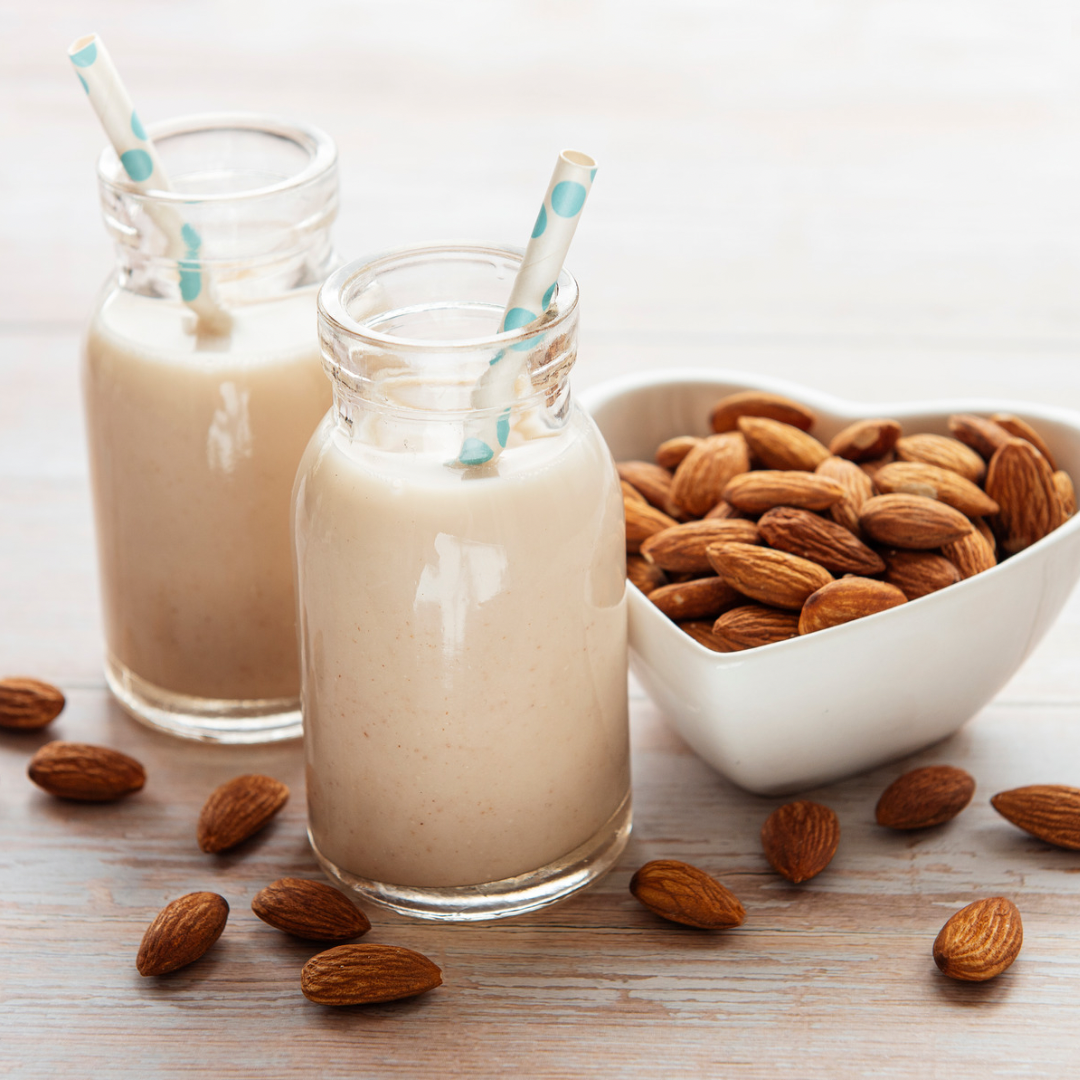
Store-bought almond milk has a short ingredient list that somehow still manages to include gums, stabilizers, and preservatives you can’t pronounce. Homemade almond milk has two ingredients: almonds and water. That’s it.
This is one of those recipes that feels almost too simple to be real — until you taste it. Creamy, lightly sweet, and completely additive-free, homemade almond milk is proof that some of the best things in your kitchen don’t need a long ingredient list. Just good ingredients, a blender, and a few minutes of your time.
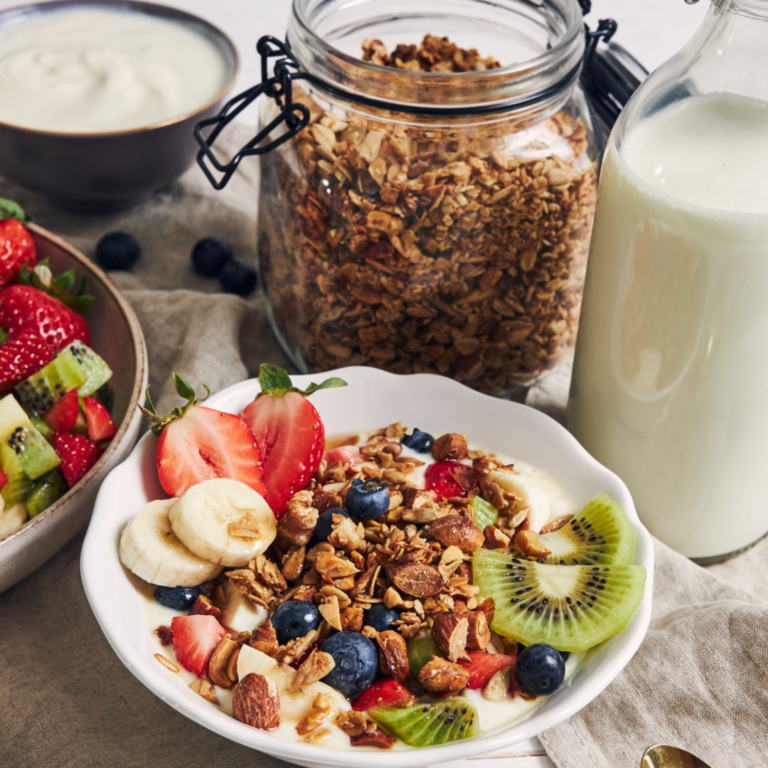
If you’re already building out a from-scratch pantry, this pairs perfectly with a batch of Honey Coconut Granola— homemade milk over homemade granola is a genuinely different breakfast experience than anything store-bought.
Why Make Your Own Almond Milk?
Jump to RecipeIf you’ve ever glanced at the back of a carton of almond milk and wondered why it needs eight ingredients to make “almonds and water” work, you’re not alone. Most store-bought versions are mostly water, stabilized with gums to fake a creamy texture, and sweetened with added sugars you didn’t ask for.
Homemade almond milk skips all of that. You control the ratio of almonds to water, the sweetness (if any), and the flavor — vanilla, cinnamon, a touch of honey, whatever you’re in the mood for that week. It’s fresher, creamier, and costs a fraction of what you’d spend on the carton version, especially if you’re already buying raw almonds in bulk.
There’s also something satisfying about doing it yourself — soaking the almonds overnight, blending them the next morning, and straining out something genuinely creamy with your own hands. It’s a small ritual, but it’s yours.
Ingredient Spotlight: Why Each One Matters
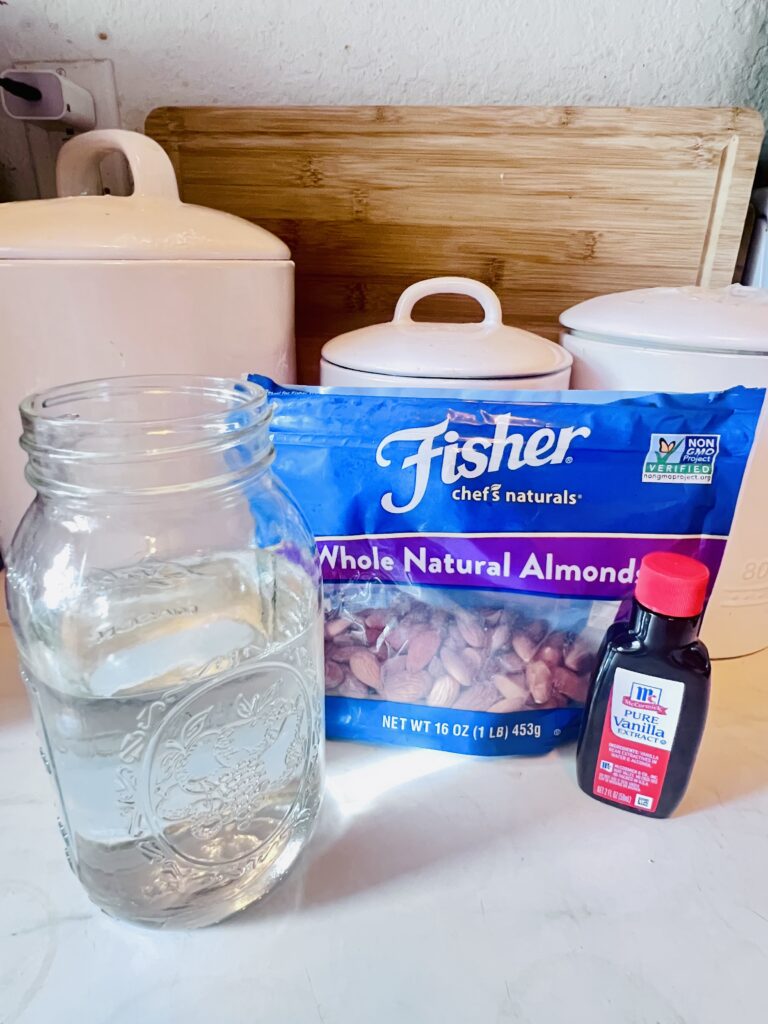
This recipe only has a few ingredients, which means each one is doing real work — there’s nowhere for a low-quality ingredient to hide. Here’s what to look for and why it matters.
🌰 Raw Almonds
This is the one place where quality genuinely changes the outcome. Raw, unsalted almonds are essential — roasted or salted almonds will throw off both the flavor and the texture, since roasting alters the fat structure and changes how the almonds break down when blended. Look for raw almonds specifically labeled as such, ideally organic if it’s within budget. The better the almond, the creamier and more naturally sweet your milk will taste, since almond milk really is just a concentrated reflection of what went into the blender.
💧 Filtered Water
It sounds like a small detail, but water quality actually matters more than most people expect. Tap water can carry a faint chlorine or mineral taste that comes through in a drink this simple — there’s very little else to mask it. Filtered water gives you a cleaner, more neutral base that lets the almond flavor stand on its own instead of competing with anything else.
🧂 Sea Salt
Just a pinch, but it’s not optional if you want the best flavor. Salt doesn’t make almond milk taste salty — it does the opposite, actually enhancing the natural sweetness of the almonds and rounding out the flavor so it doesn’t taste flat or one-note. This is the same reason a pinch of salt shows up in most dessert recipes, even sweet ones.
🍯 Honey, Maple Syrup, or Dates (Optional)
If you like a touch of sweetness, this is where you get to choose your own adventure. Honey and maple syrup both add warmth and depth beyond plain sugar, but dates are worth a special mention — they blend directly into the milk (no straining needed for the sweetener itself, since it’s blended before you strain the whole mixture), and they add a rounder, caramel-like sweetness along with a bit of natural fiber that honey and maple syrup don’t offer. Dates are also the go-to choice if you’re keeping this fully plant-based, since honey isn’t considered vegan by strict definition. Soak 2-3 pitted dates alongside your almonds so they blend smoothly rather than leaving gritty bits behind.
🌿 Vanilla Extract
A small splash goes a long way here. Vanilla adds warmth and rounds out the flavor, making the almond milk taste more like something from a coffee shop than a health food store. If you’ve got a batch of [homemade vanilla extract] going, this is exactly the kind of recipe it’s meant for — the slow-steeped, real vanilla flavor is noticeably different from imitation extract in a drink this simple.
Pro tip: Because this recipe has so few ingredients, upgrading just one or two of them — better almonds, real vanilla, good honey — makes a bigger difference here than it would in almost any other recipe you make. It’s a small, low-effort way to notice quality.
Ways to Use Your Almond Milk
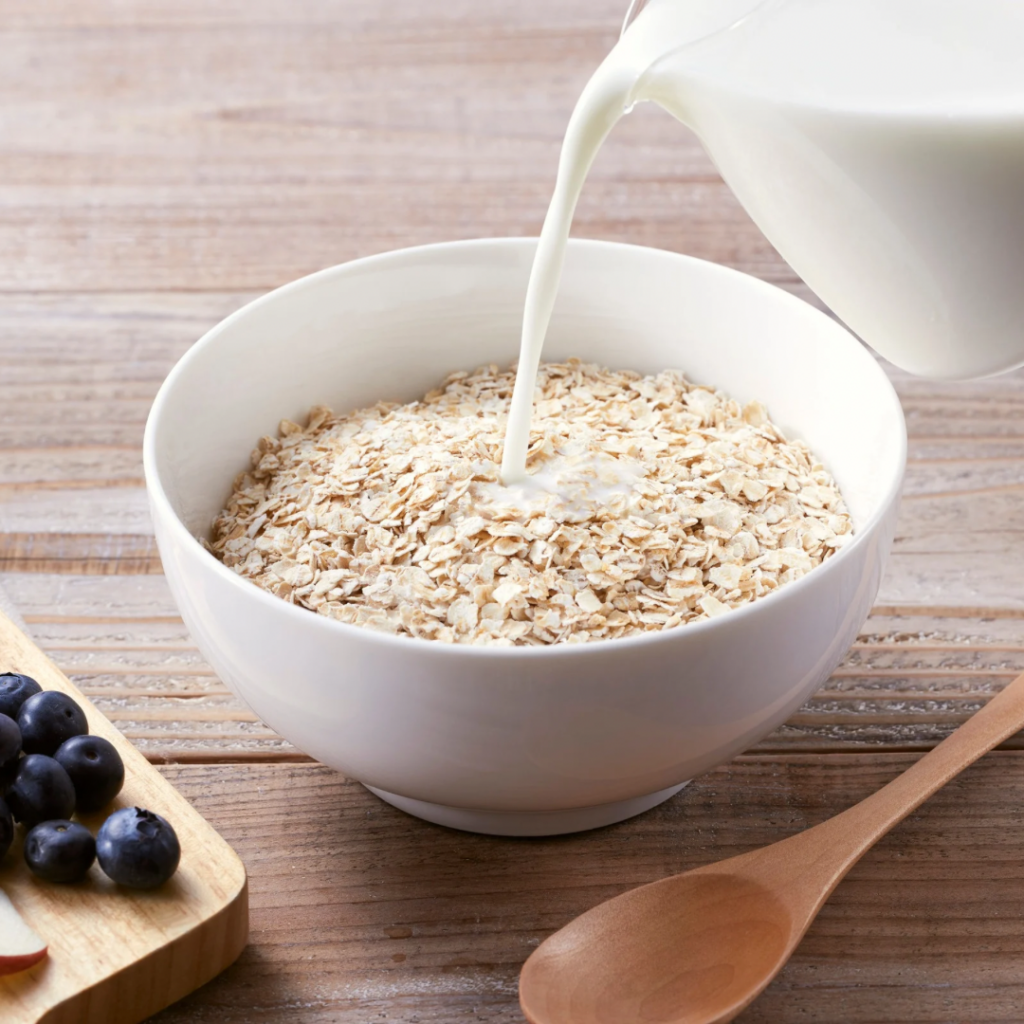
- Poured over granola or cereal for breakfast
- Blended into smoothies for a creamy, dairy-free base
- Steamed into oat milk lattes or homemade chai
- Used in baking as a 1:1 dairy milk substitute
- Simmered into homemade overnight oats
The Bigger Picture
Making your own almond milk isn’t going to save the planet or change your life. But it will change your Tuesday — one where you know exactly what’s in your glass, made by your own hands, with nothing hidden and nothing added. That’s a small thing. It’s also kind of everything.

Homemade Almond Milk Recipe
Ingredients
Equipment
Method
- Please almonds and water in a glass jar uncovered. Allow to soak 8-12 hours or overnight
- Place contents in the blender along with vanilla and dates. Blend for 2-3 minutes
- Place cheesecloth over a container and poor contents on top. Twist and squeeze the mixture allowing all of the milk to seep into the container.
- Store covered in the refrigerator for up to 3 days. Enjoy!
Made a batch? Tag your almond milk jars — I want to see that creamy pour.
Save this recipe for your next grocery list, and subscribe below for more from-scratch staples made simple.