How to Stock Your Kitchen to Cook From Scratch: The Ultimate Pantry Guide for Busy Families
If you’ve ever stood in front of an open pantry wondering how you’re going to make dinner without a special trip to the store, this guide is for you. Learning how to stock your kitchen to cook from scratch isn’t about following a rigid meal plan — it’s about building a flexible, well-stocked kitchen that can flex with whatever life throws at you that day.
As a cottage bakery owner who bakes from-scratch treats for busy families every single month, I get asked all the time how I keep our kitchen running without constantly running to the grocery store. The secret isn’t a fancy meal plan or a pantry full of specialty ingredients. It’s a small set of essentials, organized by category and bought smart, that let you cook almost anything on the fly.
In this ultimate guide, you’ll learn:
- The essential grocery list every from-scratch kitchen needs, broken down by category
- How to skip canned goods without losing convenience
- Budget-friendly buying habits (like buying flour in bulk and a whole chicken instead of parts)
- Simple batch-cooking and freezer habits that save time on busy weeks
- How to grow, forage, and shop seasonally to stretch your ingredients further
- Easy organization tips so your kitchen actually stays stocked
And stick around until the end — this guide comes with a bonus you can actually put to use in your kitchen: a free printable checklist you can download and keep on your counter or tucked inside a cabinet door, so every tip here is easy to put into action
Whether you’re a total beginner or you’ve been baking your own bread for years, this guide will help you build a kitchen that’s ready for real, everyday cooking.
Why Stocking a From-Scratch Kitchen Matters
Cooking from scratch has a reputation for being time-consuming, but the real time drain isn’t the cooking — it’s the decision fatigue of not having what you need on hand. When your kitchen is stocked with the right basics, from-scratch cooking becomes the easy choice on a busy Tuesday night, not the ambitious one.
A well-stocked, from-scratch kitchen gives you:
- Fewer last-minute grocery runs
- More control over what’s actually in your food
- The flexibility to cook what you have instead of shopping for a rigid recipe
- Real savings over time, especially when you buy staples in bulk
This is exactly the philosophy behind our monthly bakery drops — batch-based, planned ahead, but flexible enough to fit real family life.
The From-Scratch Kitchen Checklist, Broken Down by Category
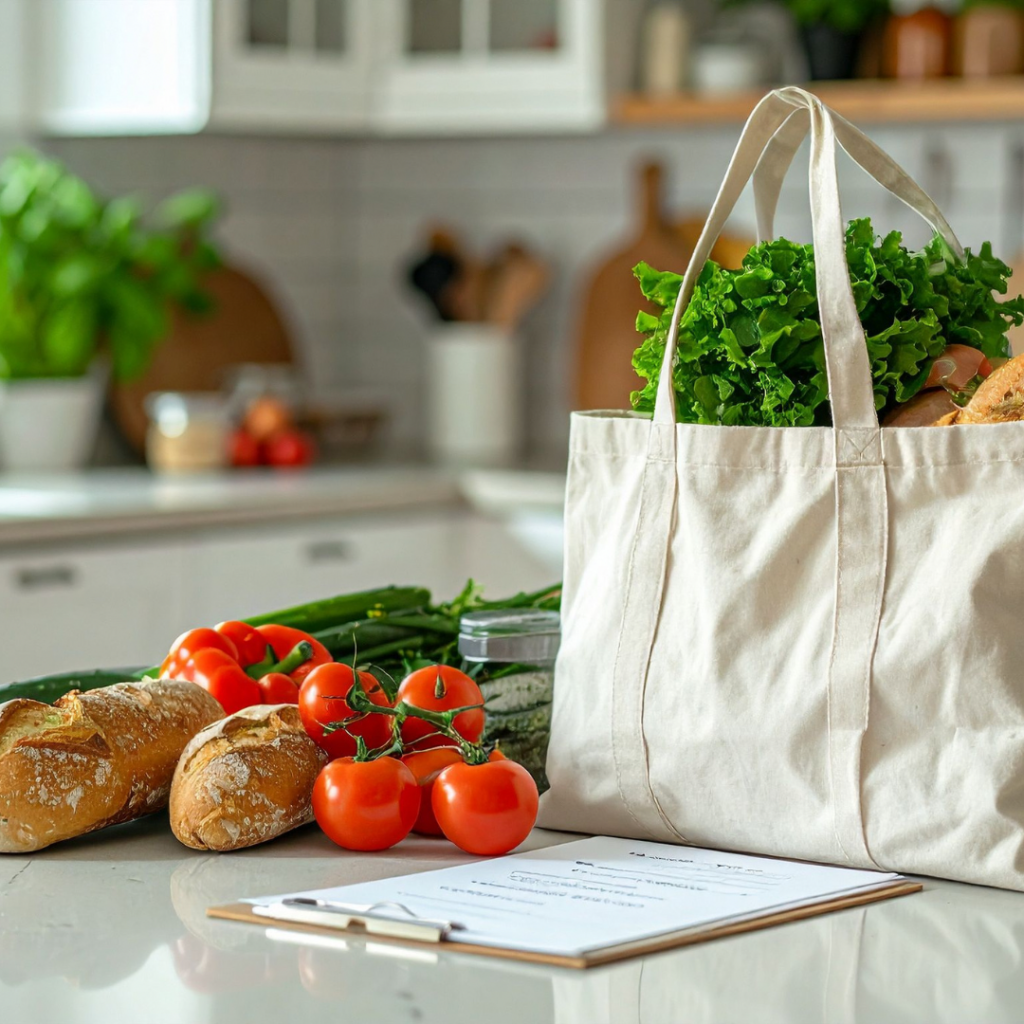
The biggest shift when you’re learning how to stock your kitchen to cook from scratch is moving away from shopping for specific meals and toward shopping for ingredients that can become many meals. Instead of one long grocery list, it helps to organize your essentials into a few simple categories so you always know what to restock.
Baking & Dry Goods
- Flour (unbleached all-purpose and bread flour)
- Sugar (white and brown)
- Baking soda and baking powder
- Yeast
- Oats
- Rice and dried beans
- Pasta
Proteins
- A whole chicken
- Fish
- Beef
- Eggs
- Raw almonds (yes, almonds count — more on that below)
Fridge & Dairy
- Butter
- Milk (or raw milk if you can source it locally)
- Homemade yogurt
- Heavy Cream
- Cheese
Produce & Herbs
- Seasonal fruits and vegetables
- Fresh herbs (potted, not plastic clamshells)
- Lemons
Pantry Basics
- Oils (olive oil and a neutral oil)
- Vinegars
- Honey or maple syrup
- Vanilla extract
- Salt and cornstarch
This categorized list gives you the flexibility to cook a variety of from-scratch meals without shopping exclusively for whatever’s on this week’s menu. Keep a printed or saved copy on your phone so restocking trips stay quick and focused.
Skip the Canned Goods Whenever Possible
One of the simplest upgrades in a from-scratch kitchen is skipping canned goods whenever you reasonably can. Canned vegetables, canned soups, and canned sauces are convenient, but they’re often loaded with added sodium and preservatives — and homemade versions are usually just as fast once your kitchen is stocked to make them.
Instead of canned beans, cook a big pot of dried beans on a Sunday and freeze portions. Instead of canned tomato sauce, blend and simmer fresh or frozen tomatoes. It’s a small swap that makes a big difference in both flavor and ingredient quality, and it’s one of the easiest ways to stretch a frugal grocery budget further without sacrificing homemade taste.
Buy Staples in Bulk to Save Money
If you cook or bake from scratch regularly, buying flour in large quantities — think Costco-sized bags — is one of the easiest ways to save money and stay stocked. The same goes for sugar, oats, and rice. Bulk staples have a long shelf life, so buying in bulk means fewer grocery trips and a pantry that’s always ready for a baking day or a from-scratch dinner.
Store bulk flour in airtight containers to keep it fresh, and if you bake often, keep a portion in the freezer to extend its shelf life even further.
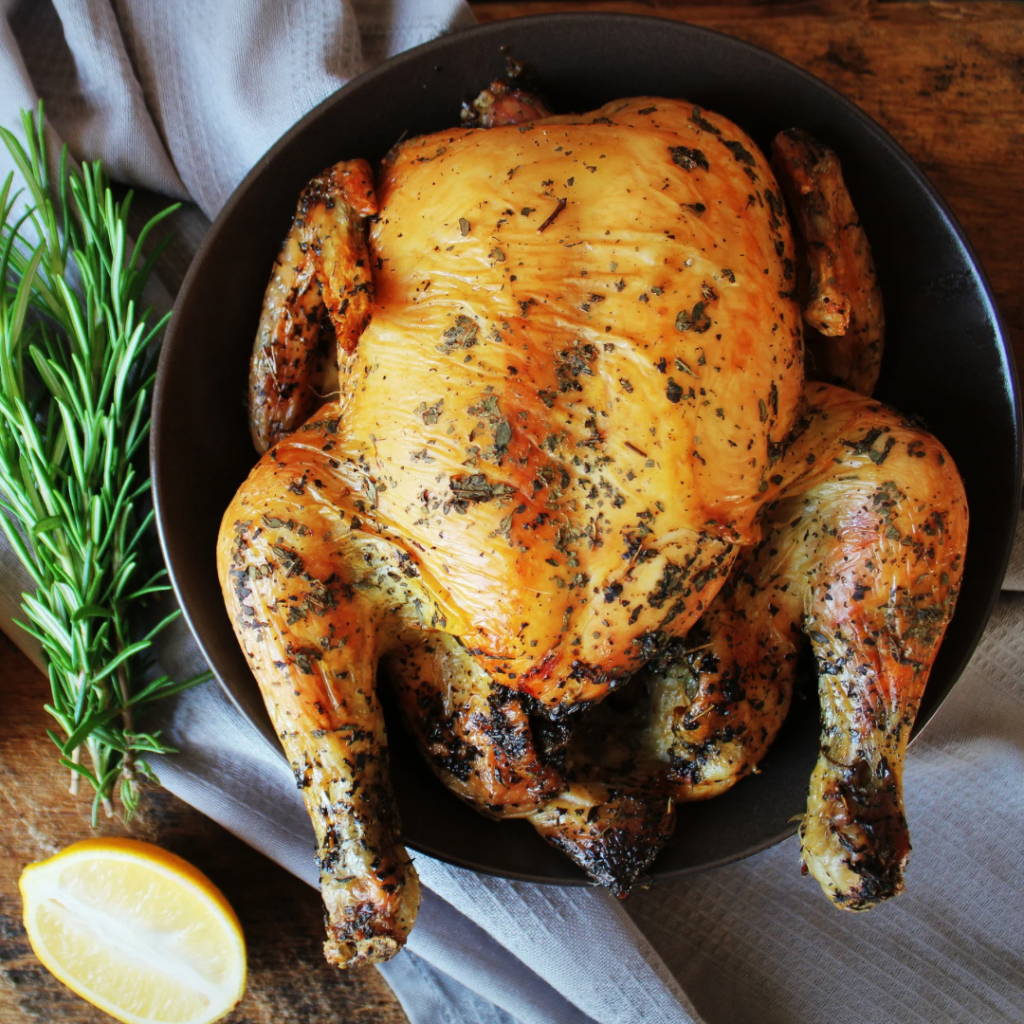
Whole Chicken vs. Chicken Parts: The Ultimate Kitchen Multiplier
If there’s one ingredient swap that instantly upgrades your from-scratch kitchen, it’s buying a whole chicken instead of individual parts. A single whole chicken can become:
- Roast chicken for dinner
- Chicken salad sandwiches the next day
- A creamy chicken pot pie
- Chicken noodle soup or pasta from the leftover meat
- Homemade chicken stock from the bones
One purchase, multiple meals, almost zero waste. It’s one of the best examples of stocking smart instead of stocking for a single recipe — and it’s a favorite trick among frugal, from-scratch home cooks for good reason.
Consider Locally Sourcing Raw Milk for Yogurt and Condensed Milk
If you have access to a local farm or dairy, sourcing raw milk is a wonderful way to lean further into from-scratch cooking. Raw milk can be used to make your own yogurt, and it’s the base for recipes like homemade condensed milk — a staple in so many from-scratch desserts and one of the simplest swaps you can make instead of buying it canned.
Supporting a local dairy also ties directly into eating seasonally and shopping local, which we’ll get into below.
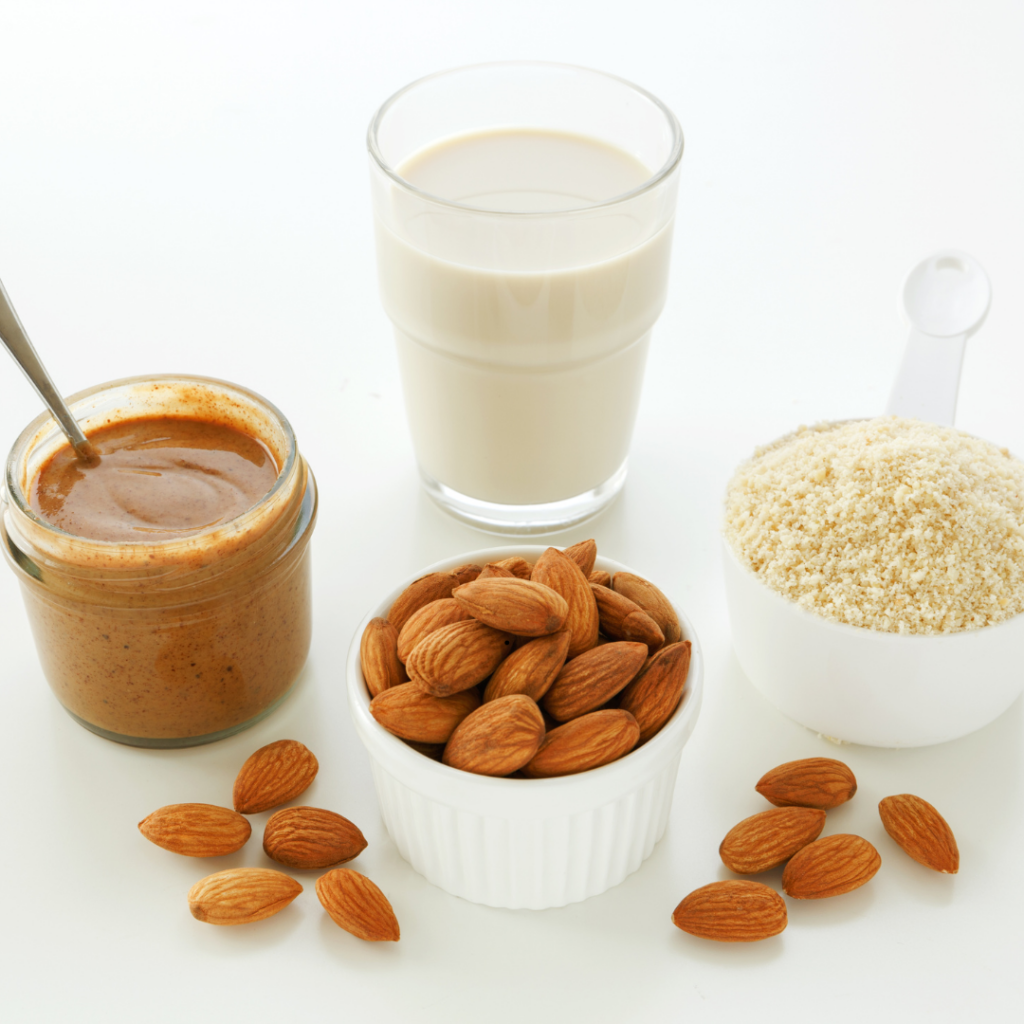
Almonds: The Small Ingredient That Does Big Things
Raw almonds are one of my favorite examples of a from-scratch pantry staple that pulls double (or triple) duty. With one bag of almonds, you can make:
- Homemade almond milk
- Almond butter
- Almond banana no-flour pancakes
That’s breakfast, a pantry staple, and a dairy-free milk alternative from one simple ingredient. If you’re building your from-scratch grocery list, almonds are a small investment with a big payoff.
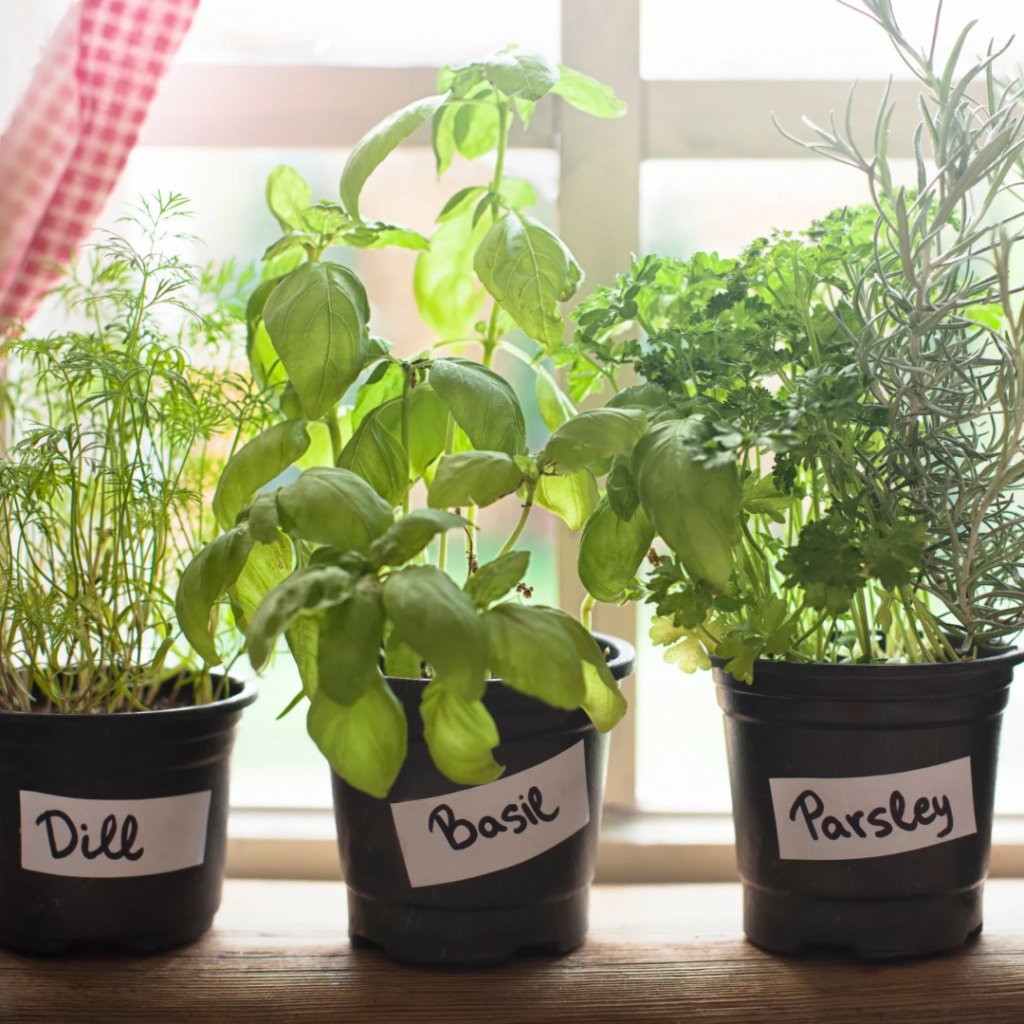
Grow What You Can — Even If It’s Just a Windowsill
You don’t need acreage to grow your own food. A windowsill herb garden is enough to start cutting your grocery bill and adding fresh flavor to everything you cook. If you do have a yard or more space, even better — but don’t let lack of land stop you from growing something.
Basil, mint, rosemary, thyme, and green onions are some of the easiest to start with, and they’ll elevate a from-scratch meal instantly.
Buy Herbs in Pots, Not Small Bunches
Speaking of herbs — instead of buying a small plastic clamshell of herbs from the grocery store that wilts in three days, buy a potted herb plant instead. It costs about the same (sometimes less), lasts for months instead of days, and gives you fresh herbs on demand. It’s one of the easiest upgrades for a from-scratch kitchen and pays for itself almost immediately.
Eat Seasonally and Support Your Local Community
Eating seasonally isn’t just better for flavor — it’s better for your wallet and for your local farmers. Look into local farmers markets, CSA boxes, or apps like Hotplate that connect you directly with small local food makers and producers (including cottage bakeries like mine). Buying seasonal, local produce keeps your from-scratch kitchen rotating naturally with what’s fresh, rather than forcing recipes around out-of-season ingredients shipped from far away.
Use What Goes Bad First
A practical, everyday tip for stocking a from-scratch kitchen: always plan around what spoils fastest. Lettuce, fresh herbs, and berries won’t wait for you, so build your first meals of the week around those ingredients.
And when produce is about to turn, don’t let it go to waste — turn it into something new. Extra lemons about to dry out? Make juice instead of buying it at the store, like my easy blender lemonade recipe. It takes minutes, uses what you already have, and tastes far better than anything from a carton.
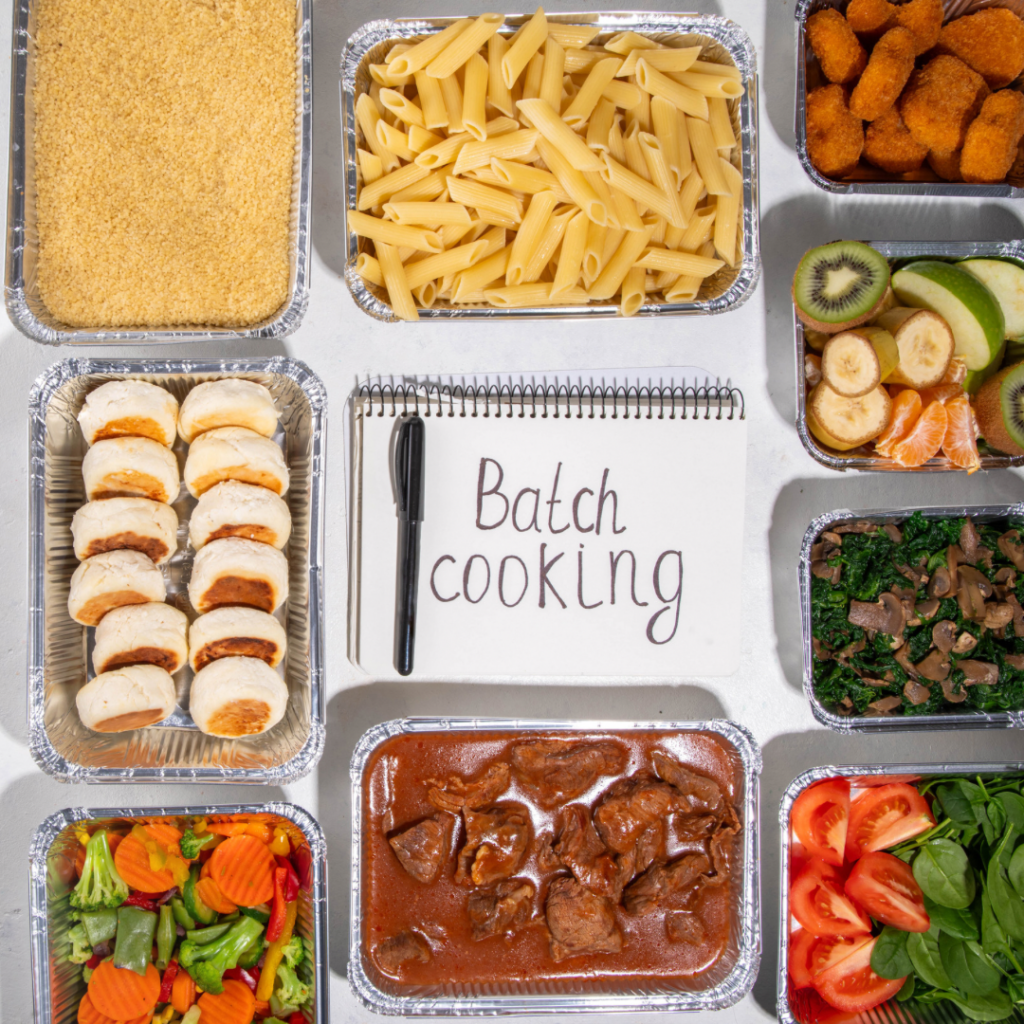
Batch Cook and Freeze for Busy Weeks
A well-stocked kitchen isn’t just about what’s in the pantry — it’s also about what’s already prepped in the freezer. Once a week, take an hour to double a recipe: bake two loaves of bread instead of one, cook a double batch of soup, or roast an extra chicken. Portion the extra into freezer-safe containers, label them with the date, and you’ve just built yourself a backup dinner for the week you don’t have time to cook from scratch at all.
This habit is what turns “stocked” into “stress-free.” It’s the same rhythm behind our monthly bakery drops: a little extra effort up front buys you calm later in the month.
Simple Organization Tips to Keep Everything on Hand
Stocking your kitchen only helps if you can actually find what you have. A few small habits go a long way:
- Store bulk staples like flour, sugar, and rice in labeled, airtight containers instead of their original bags.
- Group items by category (baking, produce, proteins) so restocking follows the checklist above.
- Practice “first in, first out” — move older items to the front so nothing gets forgotten in the back.
- Keep a running note on your phone of what’s low, so your next grocery trip is quick and targeted instead of a full restock.
Building Your Own From-Scratch Rhythm
There are so many methods and philosophies for cooking from scratch, but at the end of the day, what matters most is having a set of essentials that can create a variety of meals — not a rigid list built around one week’s menu. That flexibility is exactly why our monthly bakery drops work the way they do: plan ahead, but leave room for real life.
Whether you’re just starting to stock a from-scratch kitchen or you’ve been doing this for years, the goal is the same — fewer last-minute grocery runs, more confidence in the kitchen, and meals that actually reflect the way your family eats.
Frequently Asked Questions
What are the most important staples for a from-scratch kitchen?
Flour, sugar, salt, oils, eggs, butter, a whole chicken, and a rotating stock of seasonal produce cover the vast majority of from-scratch meals.
How do I stock a from-scratch kitchen on a budget?
Buy staples like flour and rice in bulk, cook dried beans instead of canned, buy a whole chicken instead of individual cuts, and batch cook extra portions to freeze for later.
Can I cook from scratch without a garden?
Absolutely. A windowsill herb pot and a seasonal produce list are enough to get started — acreage is a bonus, not a requirement.
How long do pantry staples like flour and rice actually last?
Properly stored in airtight containers in a cool, dry spot, flour, rice, and oats typically keep for 6-12 months, longer in the freezer.

Ready to Taste From-Scratch Baking Without the Extra Work?
If stocking your own kitchen sounds great but you’d love a head start, that’s exactly what our monthly bakery drops are for. Each month brings a new lineup of from-scratch favorites — made the same way I’m teaching you to cook, minus the dishes. Check out our next drop and see what’s baking.
Looking for more from-scratch inspiration? Don’t miss my easy blender lemonade recipe, our homemade condensed milk recipe, and almond banana no-flour pancakes — all built around the same stocked-kitchen essentials in this guide.